Expanded Metal Mesh: A Sustainable and Versatile Metal Solution
Expanded metal mesh is becoming an increasingly versatile choice for architectural, industrial and screening applications. Made by slitting and stretching solid metal sheets, expanded metal forms an integral open-mesh structure, typically with diamond-shaped or hexagonal openings.
Unlike welded or perforated metal, expanded metal mesh is produced without welding joints and with high material utilization. This makes it a practical solution for projects that require strength, ventilation and an open visual effect.
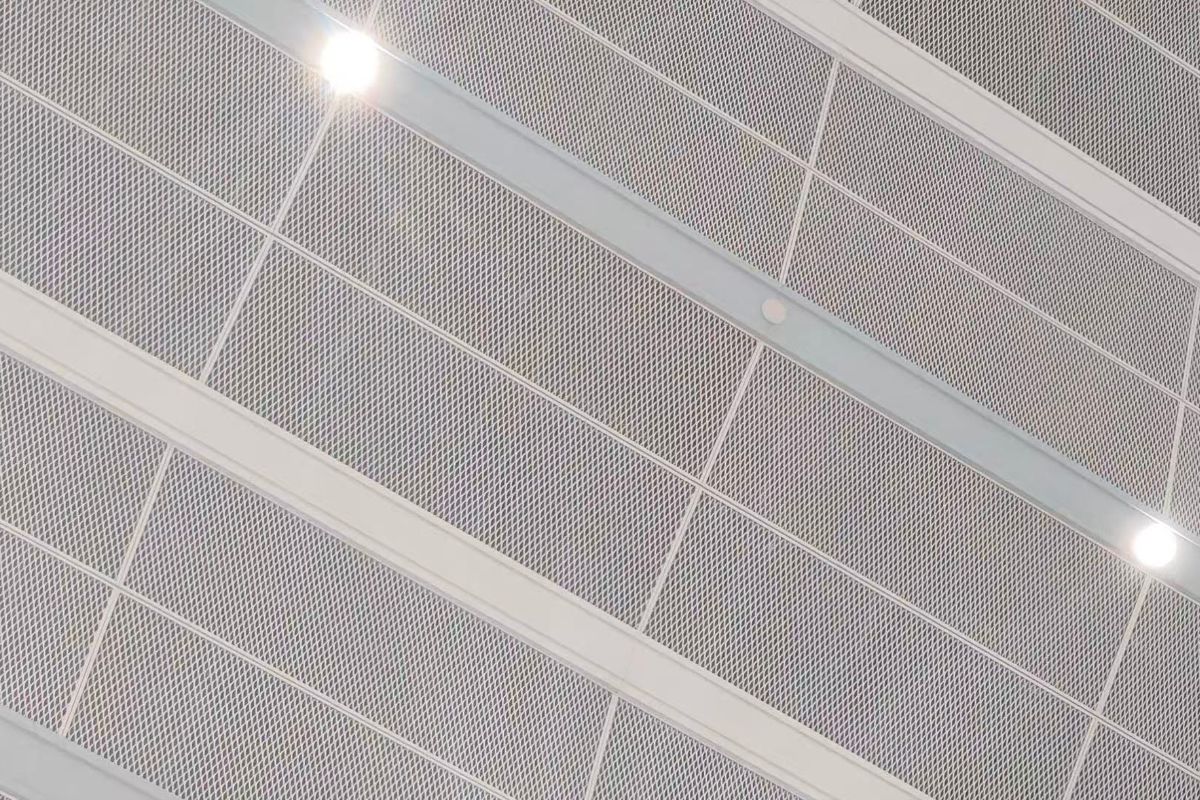
Multiple Materials and Surface Finishes
Expanded metal sheet can be manufactured from a wide range of materials, including low-carbon steel, aluminum, stainless steel and titanium. Material selection can be matched to different application environments and performance requirements.
To improve corrosion resistance and appearance, various surface treatments are available, such as anodizing, powder coating, electrophoretic coating, hot-dip galvanizing, brushing and polishing.
Flexible Specifications and Fabrication
Typical sheet thicknesses range from 1.0 mm to 5.0 mm, with 1.5–3.0 mm being commonly used. Standard panel widths are generally 1000–1250 mm, while lengths can range from 2000–3000 mm. Customized dimensions are also available.
One of the advantages of expanded metal panels is their fabrication flexibility. They can be cut, bent, rolled and spliced for modular installation, allowing designers to create different shapes and configurations.
Strength, Ventilation and Design Flexibility
The continuous structure of expanded metal mesh provides good tensile strength and rigidity without welding seams or joints. At the same time, its open structure allows air, light and water to pass through.
For architectural applications, an expanded metal screen can create soft light-and-shadow effects while providing ventilation and visual screening. Different opening sizes, sheet thicknesses and surface finishes can also be selected to achieve different visual densities and design effects.
These characteristics make expanded metal suitable for building facades, decorative screens, partitions, ceilings, safety barriers, machine guards, platforms and other industrial or architectural applications.
Expanded Metal Applications
Although expanded metal offers many advantages, proper processing and installation are important. The edges created during slitting can be sharp, so edge folding, hemming or other protective treatment may be required.
For outdoor applications, suitable corrosion protection should be selected, and damaged coatings should be repaired promptly. For large-span installations, allowance for thermal expansion and contraction should also be considered to help prevent deformation.
With its efficient material utilization, strong integral structure and flexible design options, expanded metal mesh provides a practical balance of performance and aesthetics for a wide range of projects.